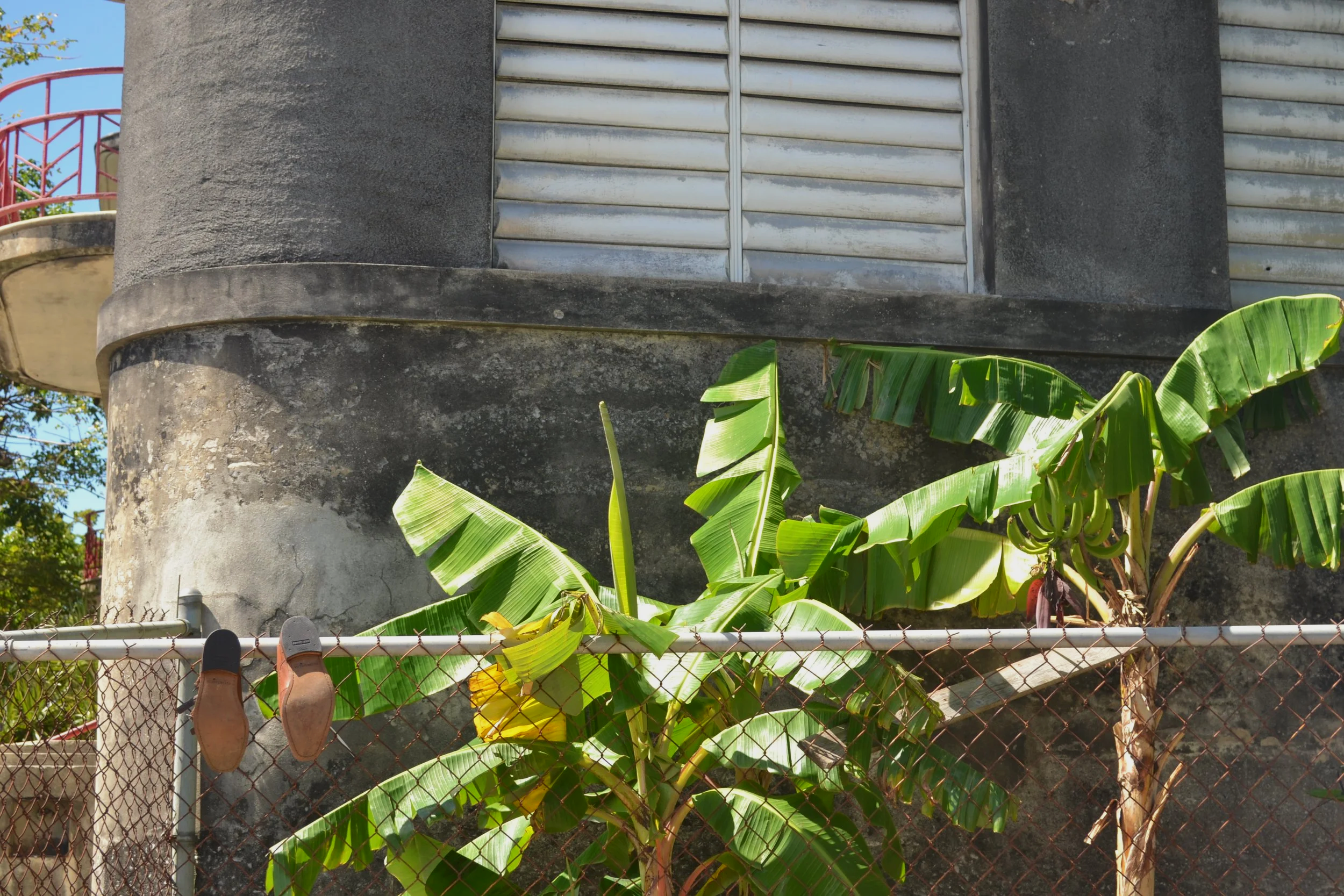
How has Puerto Rico changed as a result of Gentrification within the last few decades?
Why do I care and why should you?
Hello, my name is Carolina Domenech. This website is the culmination of a year-long capstone project that I have been working on throughout my senior year at Boston Latin School. This class is open only to seniors and is built around the topic of each student's choosing. The process began with a research proposal, which had to be approved by our teachers. Once the topic was decided, every student gathered a plethora of background research to support their topics, which was then used to create a research paper. All of that research, alongside additional information gathering, has come together to become this website that incorporates both the research and interviews I have conducted with historians, economists, journalists, government officials, and legal scholars.
As is clear from the title of this project, my focus was on the gentrification of Puerto Rico. Specifically, the role that Act 60 – Puerto Rico’s tax incentive code – has played in its acceleration. This topic was particularly meaningful because I have grown up watching this change occur. Both of my parents are Puerto Rican, and I have grown up spending my holidays at my dad's childhood home in Miramar. Over the years, I’ve noticed many changes, such as the shift in the faces that I saw around nearby neighborhoods, the new storefronts that replaced ones that I grew up going to, and a shift in the overall energy of the island. The moment that crystallized it for me was last year, when someone told me that their trip to Puerto Rico wasn’t that great because it felt like any other place in the U.S. That comment shocked me– but the more I thought about it, the more I realized that this was not by accident. It was rather the result of a series of specific policy decisions,s years of economic hardships, and a certain kind of outside wealth that has been arriving on the island and making it in its own image.
While working on this project, I went back to Puerto Rico to do more research and conduct interviews. I spoke with people across the political and professional spectrum, including a pro-statehood government official and an independent investigative journalist. Among all of my interviewees, many of their perspectives do not align. That disagreement, I have discovered, is part of the story I aim to tell through this website.
Gentrification
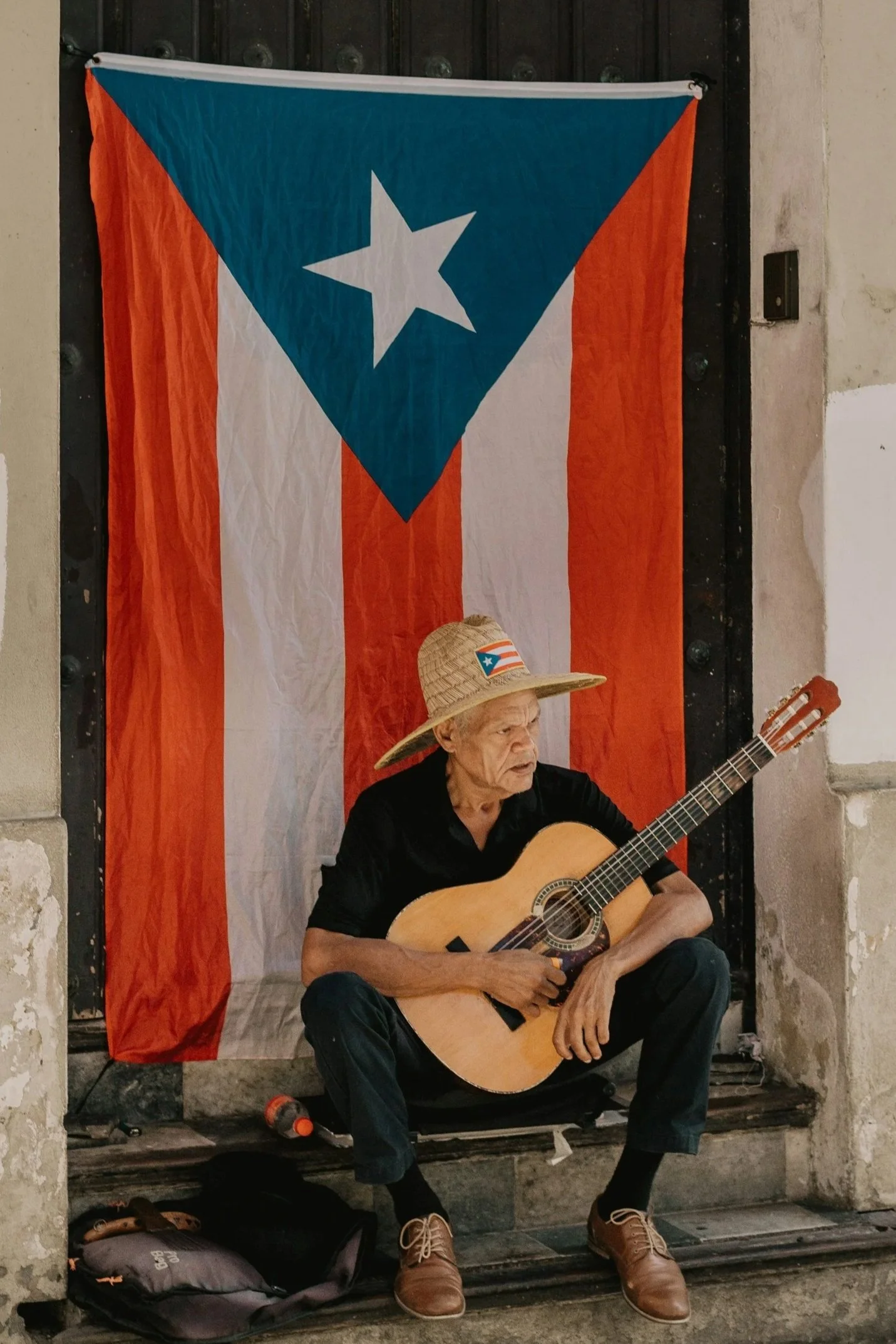
Due to Act 60 and the changes on the island in the past decade, countless communities and traditions have been reshaped. The demographics of the island have been reshaped, affecting Puerto Rico's cultural landscape. Continue reading here to learn more about what gentrification is and how it has impacted the island.
Politics
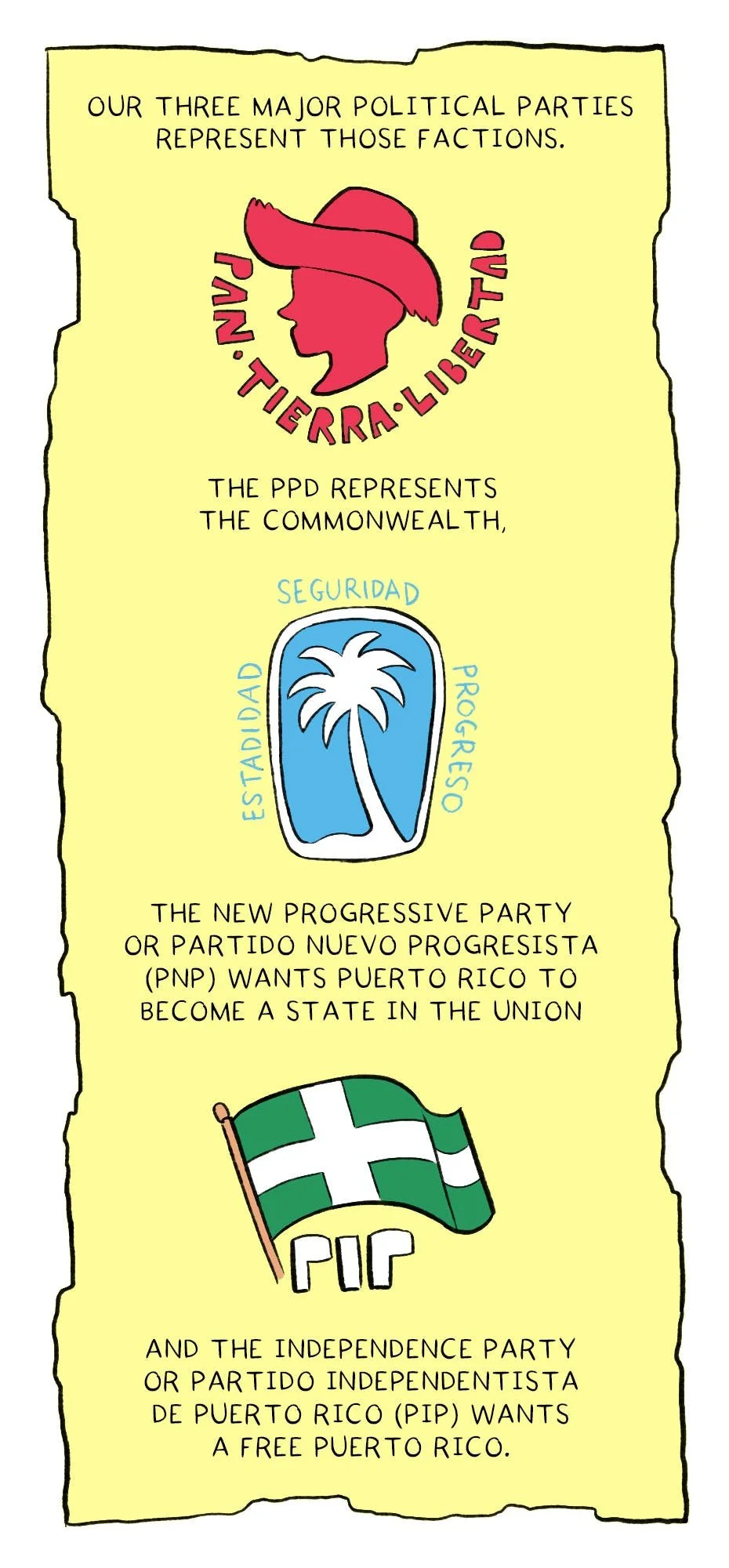
Politics in Puerto Rico has a significant role in the acceleration of gentrification, particularly through the support of policies like Act 60. The 3 main political parties that are present on the island, the New Progressive Party, the Popular Democratic Party, and the Independence Party, each view gentrification through a different lens and consider its impacts in varying ways.
Natural Disaster
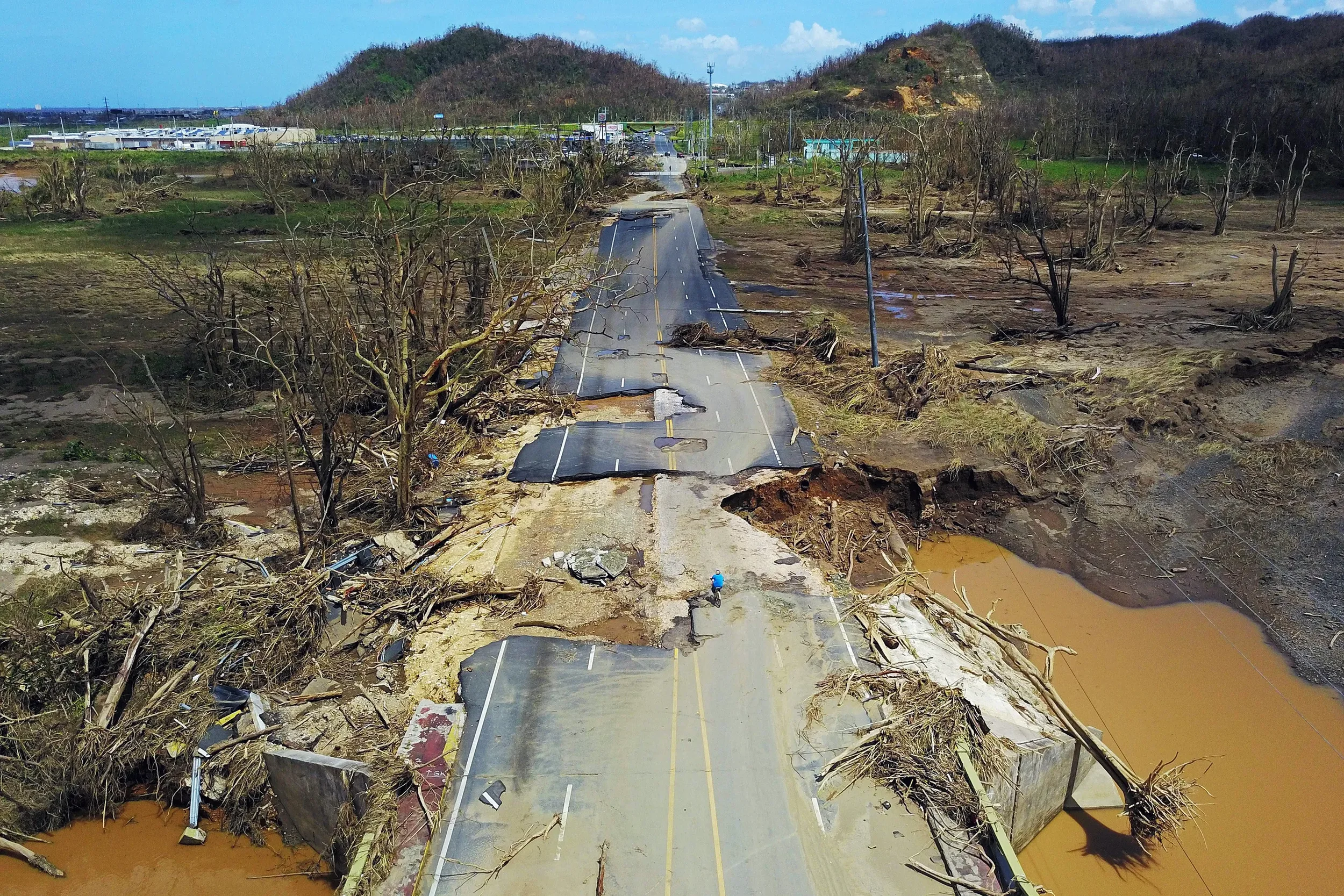
During the aftermath of Hurricane Maria, the entire landscape of Puerto Rico changed. Not only were houses and landmarks destroyed, but people’s livelihoods were as well. Buildings on the island have changed to suit those who live there. This pattern has occurred since the 50s and has picked up speed over the past 10 years.